Imagining…
Where Science Meets Creative Writing
Find a story within the topics above
How can we look at fossils and understand what creatures roamed the Earth millions of years ago?
How can we predict the behavior of materials deep within planetary interiors?
How can we reverse humanity’s impact on the global climate?
How can we predict habitats for life on other planets?
Doing impactful, innovative research requires training our brain to imagine the elusive unknown, even when bounded by scientific evidence. Now, more than ever in the history of human civilization, there is a pressing need to exercise our imagination muscles. Writing scientific fiction while accounting for the real science is a powerful way to do just that—to learn what is possible, what is probable, how we can change the future, and what our responsibility is to the future generation of our species.
Most Recent Stories
-
-
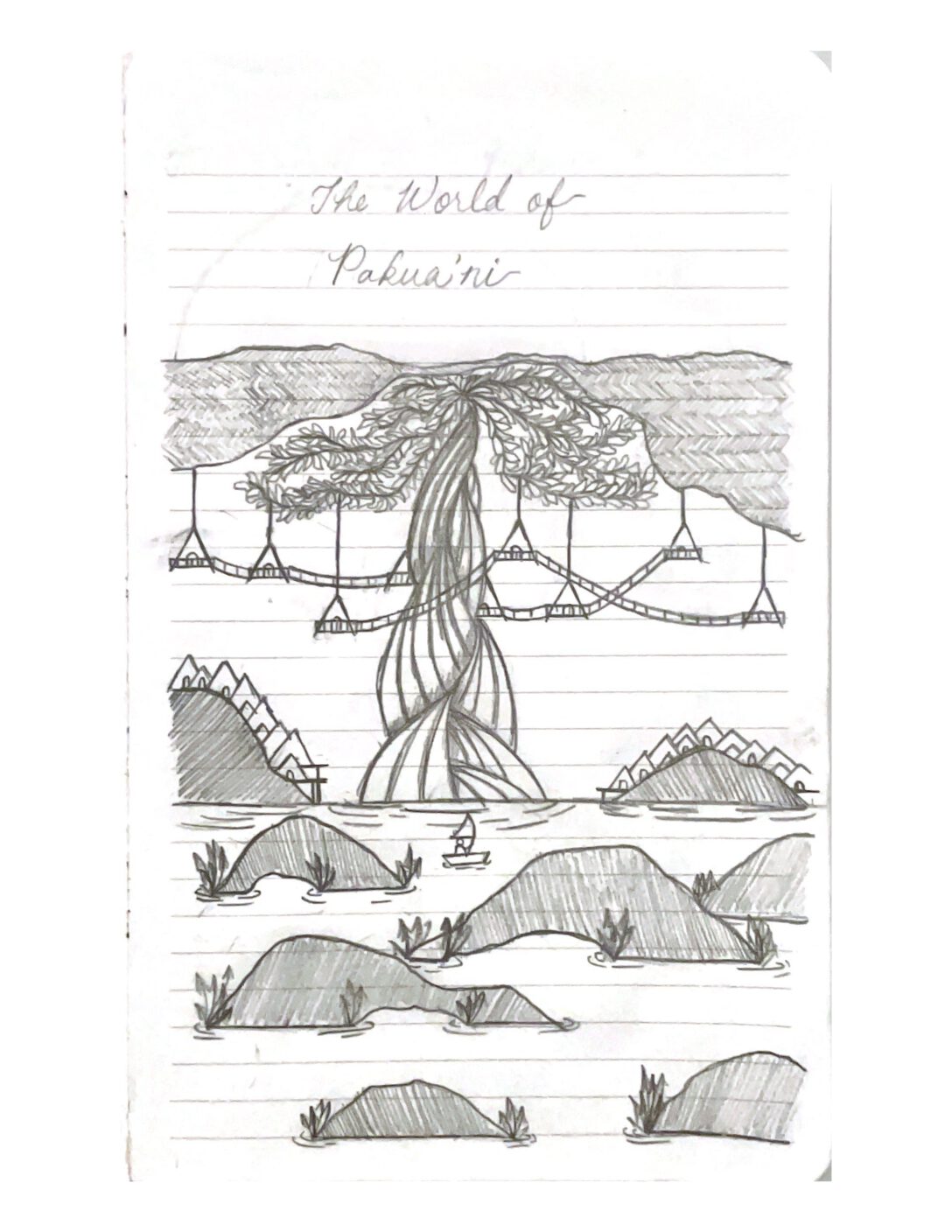
Spectrum of Home
A family is facing bureaucratic border control while hoping to arrive at their new home planet.
-
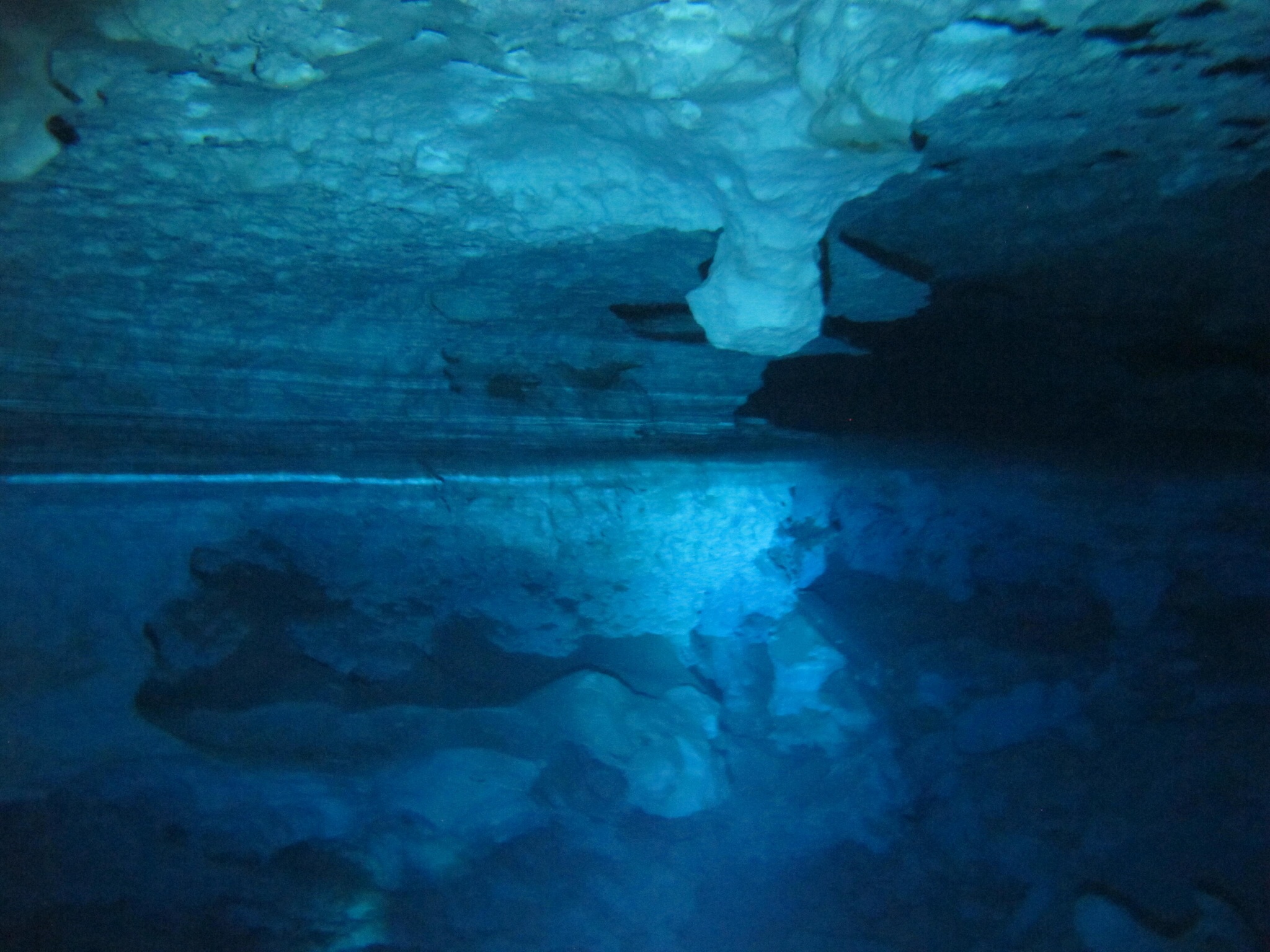
Catch and Release
Inspired by the halocline found in underwater caves in the Yucatán peninsula, an alien fish finds a creature from across the underwater veil.
For Today’s Inspiration
- APOD: 2026 September 26 – Mirrored Meteor and Milky Way
APOD Science APOD APOD: 2026 September 26 –… Today’s APOD Archive Submissions Index Search Calendar RSS Education About Discuss APOD Astronomy Picture of the Day Discover the cosmos! Each day a different image or photograph of our fascinating universe is featured, along with a brief explanation written by a professional astronomer. Mirrored Meteor and
- NASA, Boeing to Provide Update on Starliner Development
During a news conference at 3 p.m. EDT on Monday, Sept. 28, NASA and Boeing leadership will discuss Starliner’s development and plans for regular crew flights to and from the International Space Station. Learn where to watch online: https://www.nasa.gov/live The briefing participants include: Media already credentialed for Crew-13 may participate in person at NASA’s Kennedy
- “Young Get Older, but Old Get Younger”: Counterintuitive Ocean Waters
Warming surface waters and increased stratification result in uneven loss of dissolved oxygen across the Pacific basin that shifts water mass age.
- Fast, Severe Wildfires Can Change How Forests Grow Back
These blazes can cause ecological shifts even in fire-adapted forests.
- In This Issue
Proceedings of the National Academy of Sciences, Volume 123, Issue 38, September 2026. <br/>
- Zinc isotopic evidence for an Archean initiation of deep carbon cycling
Proceedings of the National Academy of Sciences, Volume 123, Issue 38, September 2026. <br/>SignificanceUnderstanding when Earth’s deep carbon cycle began is critical for reconstructing planetary evolution and habitability. We add to this debate by integrating new zinc (Zn) isotopic data for Phanerozoic and Precambrian carbonatites plus …
- AI bots are flooding researchers with requests for money and time
Nature, Published online: 25 September 2026; doi:10.1038/d41586-026-03005-2Many scientists use artificial intelligence in their work, but agents are increasingly soliciting researchers for collaborations.
- Exclusive: Sham scientific societies are misleading star researchers
Nature, Published online: 25 September 2026; doi:10.1038/d41586-026-02980-wA Nature investigation reveals a network of organizations that have been building their ranks through deceptive practices.